You’ve set up a slick project board. Assigned tasks. Added due dates. Yet somehow—again—the deliverables slip through the cracks. Everyone *says* they’re using the tool. But actual progress? Invisible. That’s not a people problem. It’s a project management software tools tracking failure.
Why Most Project Management Software Tools Fail at Real Tracking
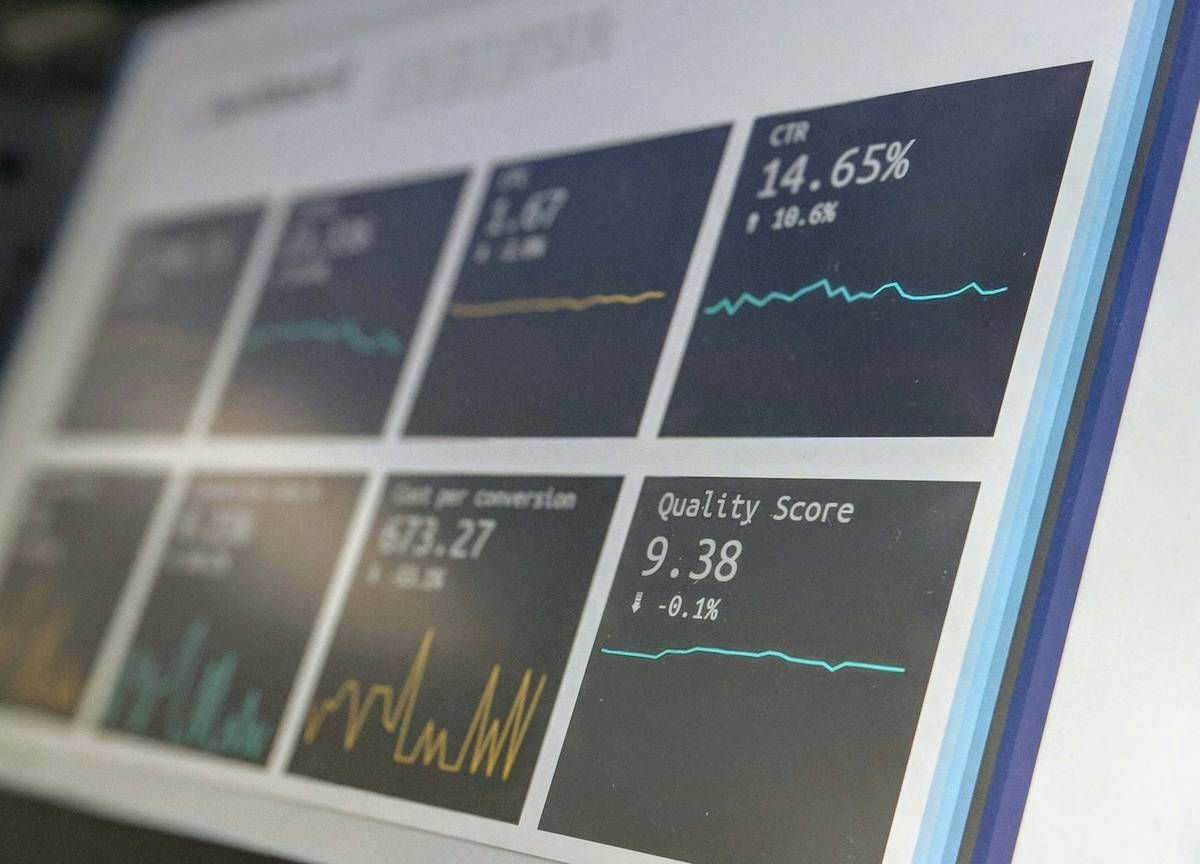
Most teams treat their PM tool like a digital to-do list. They log tasks, check boxes, move cards—and call it “tracking.” But that’s theater, not truth. Real tracking means seeing who’s stuck, where bottlenecks form, and whether effort matches output. Generic tools don’t measure velocity, idle time, or context-switching debt. And leadership? They get sanitized reports that hide chaos beneath clean Gantt charts.
Here’s the reality: if your tool doesn’t auto-capture work patterns—without manual updates—it’s lying to you.
Project Management Software Tools Tracking: A Practitioner’s Step-by-Step Fix
Forget feature overload. Focus on three layers: visibility, verification, and prediction. Start here:
Layer 1: Enforce Time-Stamped Evidence
Ditch “status updates.” Require every task completion to include a timestamped artifact—code commit, design file link, or client email thread. No proof? The system flags it as incomplete. Period.
Layer 2: Map Real-Time Workflows (Not Idealized Ones)
Use tools that integrate with your actual workflow stack—Slack, GitHub, Figma—not just calendar invites. If your PM tool lives in isolation, it’s blind. Connect it. Or ditch it.
Layer 3: Track Idle Time, Not Just Active Hours
The biggest leak isn’t slow workers—it’s forgotten tasks rotting in “In Review.” Set automated alerts for items stagnant over 48 hours. Silence isn’t golden; it’s risk.
| Tracking Approach | Manual Task Updates | Automated Evidence Capture | Idle Time Monitoring |
|---|---|---|---|
| Traditional PM Tools | ✅ Required | ❌ None | ❌ Hidden |
| Modern Hybrid Systems | ⚠️ Optional (fallback) | ✅ Auto-linked via APIs | ✅ Alerts triggered |
| Elite Teams (Custom Stack) | ❌ Disabled | ✅ Full audit trail | ✅ Predictive nudges |
The Industry Secret: Tracking ≠ Reporting
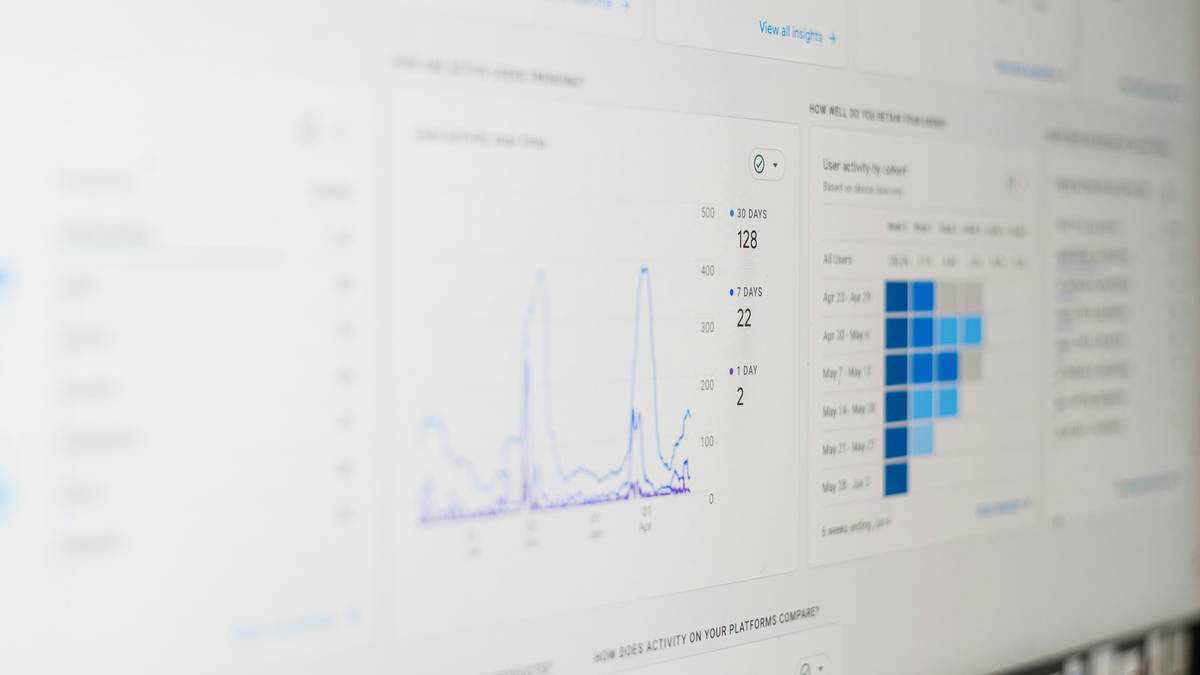
Big SaaS vendors sell dashboards. But elite engineering leads know the truth: real-time tracking happens in the noise, not the summary. One VP I worked with killed all weekly status meetings after wiring Jira to Git commits and Slack stand-ups. The system auto-generated friction maps—tasks ping-ponging between devs, reviewers ghosting PRs. They fixed process gaps, not morale. Revenue ops noticed within 3 weeks.
Tools don’t fail. Misaligned incentives do. Force transparency by design—not hope.
Frequently Asked Questions
What’s the best free project management software for tracking?
ClickUp or Teamwork offer robust free tiers—but only if you enforce evidence-based updates. Free ≠ automatic insight.
How often should we review tracking data?
Daily for active sprints. Not weekly. Bottlenecks compound hourly, not Monday mornings.
Can tracking replace team communication?
No. But it replaces guesswork. Use data to shape *what* you discuss—not whether you trust each other.